Category: Festive Wear

  • Modest Fashion Styling 2026: Elegant & Effortless

    Modest Fashion Styling 2026: Elegant & Effortless

    Graceful coverage without compromising on style — the modest fashion playbook for looking refined in every setting.

    The modest silhouette

    Longer hemlines, relaxed fits, higher necklines — modest dressing is about proportion, not restriction. A-line kurtas, wide-leg trousers and maxi dresses are your foundation.

    Hijab & dupatta styling

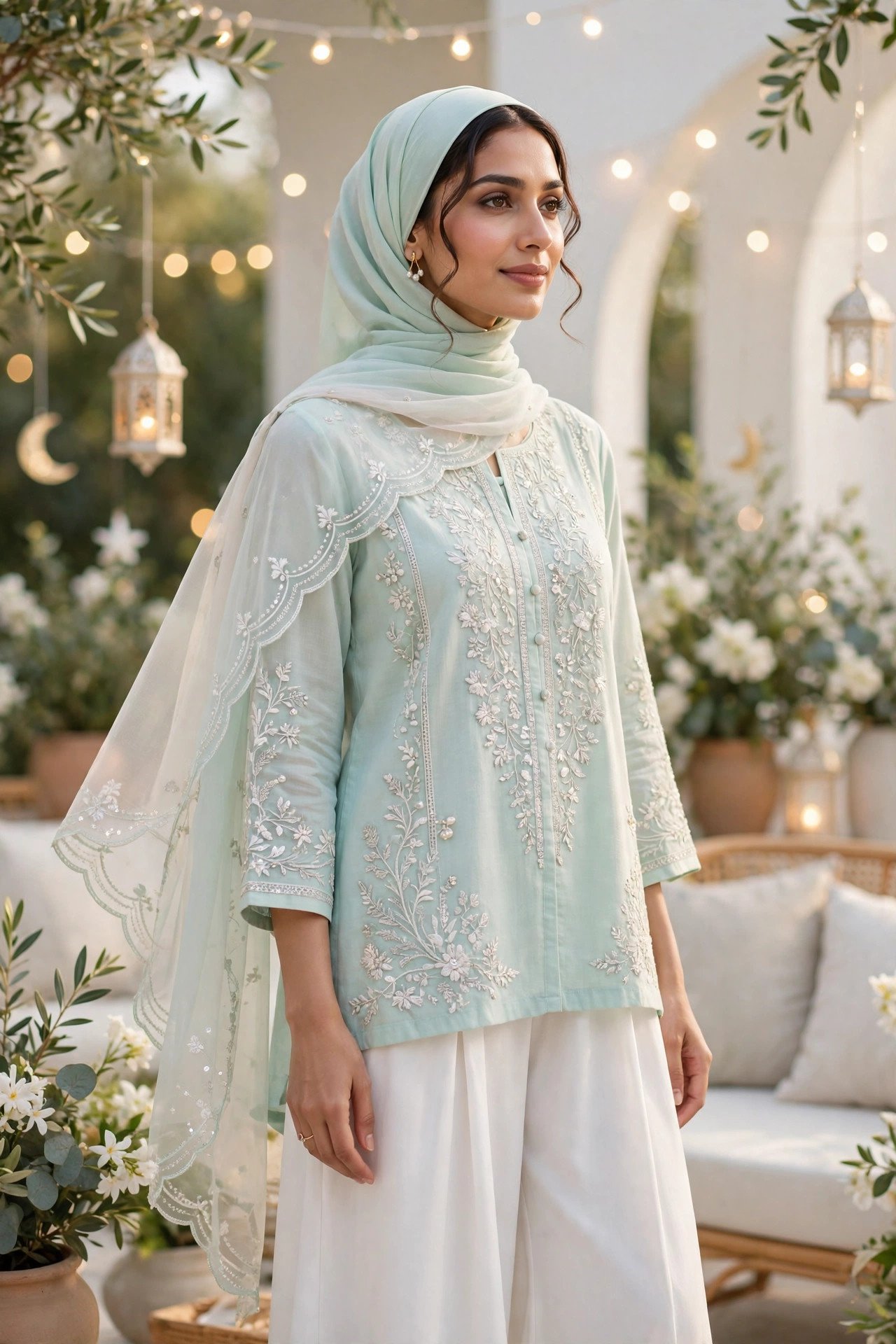
    Chiffon and silk hijabs drape most elegantly; jersey stays put all day. Match your hijab to one colour in your outfit — not necessarily the dominant one — for a styled, intentional look.

    Four modest formulas

    1. Maxi dress + structured blazer — office to evening.
    2. Embroidered kurta + palazzo + sheer dupatta — festive classic.
    3. Longline shirt + straight trousers + loafers — modern minimal.
    4. Abaya-inspired open coat over a co-ord set — 2026’s favourite layer.

    Stylist tip: invest in good undercaps and magnetic pins — the difference between a hijab that lasts all day and one you’re adjusting hourly.
  • Eid Outfit Ideas 2026: Festive Looks for the Whole Day

    Eid Outfit Ideas 2026: Festive Looks for the Whole Day

    From morning prayers to evening dawats — elegant Eid dressing for every moment of the day, in looks you’ll rewear all season.

    Morning: prayer-ready elegance

    Start with a pastel embroidered kurta and palazzo in breathable fabric — mint, powder blue or blush. Keep jewellery delicate: small earrings, a thin bracelet. Comfort matters; the day is long.

    Afternoon: family lunches

    Switch to a printed chiffon or lawn ensemble — festive but easy. Add a statement ring or embellished khussas to lift the look without a full change.

    Evening: dawat glam

    Now bring the drama: a silk or organza outfit in jewel tones, chandelier earrings, an embellished clutch. One hero piece per look keeps it refined.

    The Eid colour story 2026

    Pastels for day (mint, lavender, peach), jewel tones for night (emerald, ruby, sapphire). White and gold remain the forever Eid classic.

    Stylist tip: plan three looks around one pair of comfortable embellished shoes — your feet will thank you by the third dawat.

  • 5 Modern Ways to Drape a Saree

    5 Modern Ways to Drape a Saree

    The six-yard staple, five fresh attitudes. From the classic Nivi to the belted drape — find your signature style.

    The five drapes

    1. Classic Nivi: pleats tucked at the waist, pallu over the left shoulder — timeless, foolproof.
    2. Bengali athpourey: the pallu wrapped around twice with keys and a broad border — heritage drama.
    3. Gujarati seedha pallu: pallu drawn from back to front over the right shoulder — regal and bridal.
    4. Belted Indo-western: cinch the waist with a sleek belt over the saree — modern, structured, red-carpet ready.
    5. Dhoti / pant style: pleats tucked like trousers with a short pallu — the fashion-forward favourite.

    Pleating pointers

    Press pleats with your palm, not just pins — crisp pleats are the whole look. Taller drapes suit longer pallus; petite frames should keep the pallu fall above the knee line of the leg.

    Stylist tip: drape on the blouse you’ll actually wear and walk around the house for ten minutes. Adjust now, not at the venue.

  • Sharara vs Gharara vs Lehenga: Which One Is for You?

    Sharara vs Gharara vs Lehenga: Which One Is for You?

    Three icons of festive dressing, three very different personalities. Here’s how to choose — by occasion, body type and vibe.

    Sharara — the showstopper

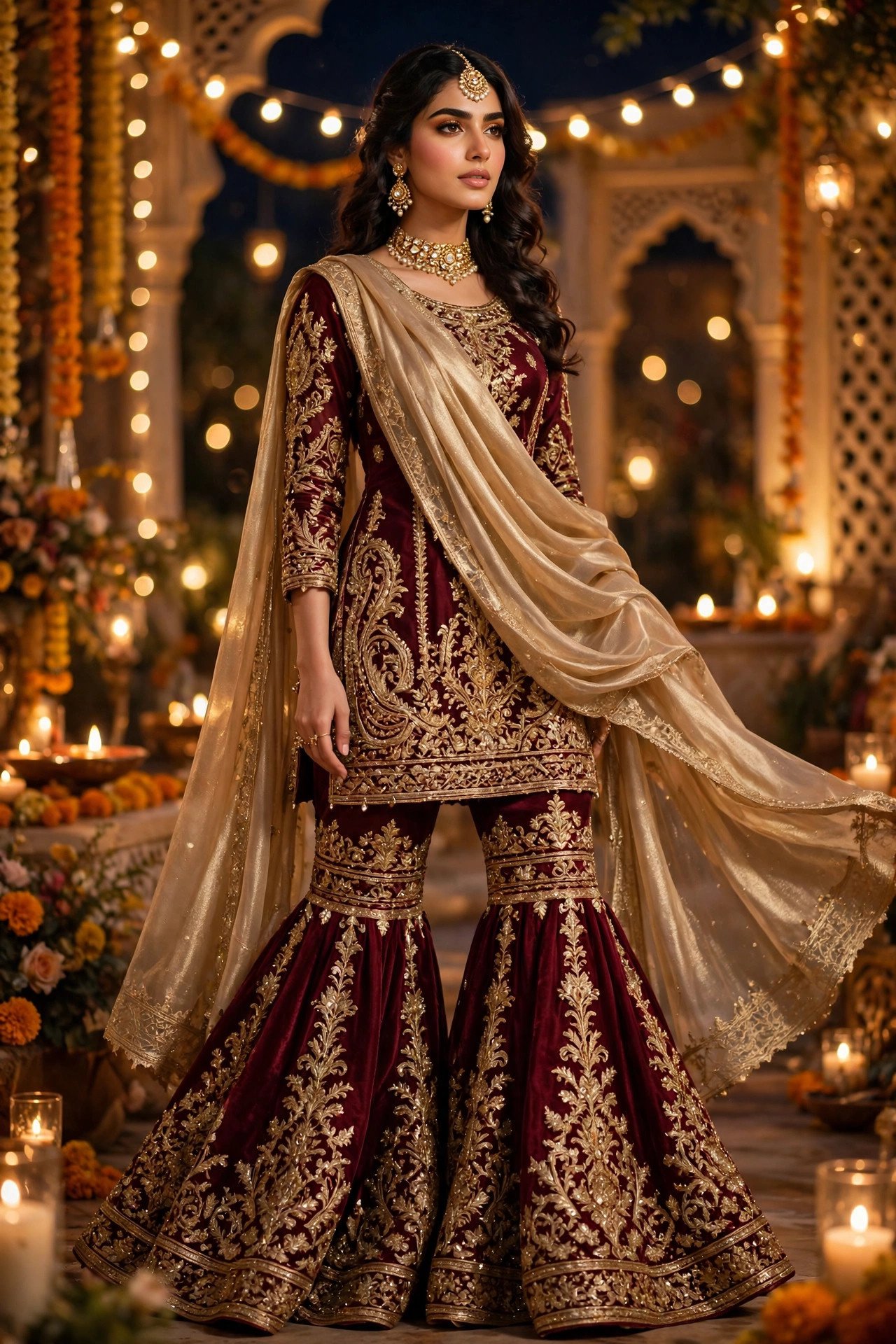
    Flared trousers from the waist with a short kurti. Maximum drama, maximum twirl. Best for: weddings, receptions, sangeets. Suits most body types because the flare balances proportions beautifully.

    Gharara — the royal

    Fitted to the knee, then flaring out — traditional Awadhi royalty. Best for: nikah ceremonies, formal festive evenings. The knee-band detailing draws the eye; petite frames should keep the flare moderate.

    Lehenga — the classic

    Flared skirt with cropped choli and dupatta. Best for: brides, bridesmaids, big festive nights. A-line cuts flatter curvier frames; panelled lehengas add height to petite ones.

    The quick verdict

    Want drama? Sharara. Want heritage? Gharara. Want timeless bridal? Lehenga. When in doubt, try all three — the mirror decides in seconds.

    Stylist tip: sit, walk and twirl in the trial room. Festive outfits are worn for hours — comfort is non-negotiable.

  • Bridal Trousseau Checklist 2026: Everything You Need to Pack

    Bridal Trousseau Checklist 2026: Everything You Need to Pack

    The complete trousseau checklist — outfits, jewellery, beauty and the little things everyone forgets — so nothing is left to last-minute panic.

    The outfits

    • The bridal look: lehenga or sharara in your chosen palette, with two dupatta draping options.
    • 2–3 festive suits: one heavy (reception/sangeet), one medium (dholki/mehndi), one light.
    • 1–2 casual-luxe sets: for daytime family functions — chic but comfortable.
    • A reception gown or saree: for the final farewell look.

    The jewellery box

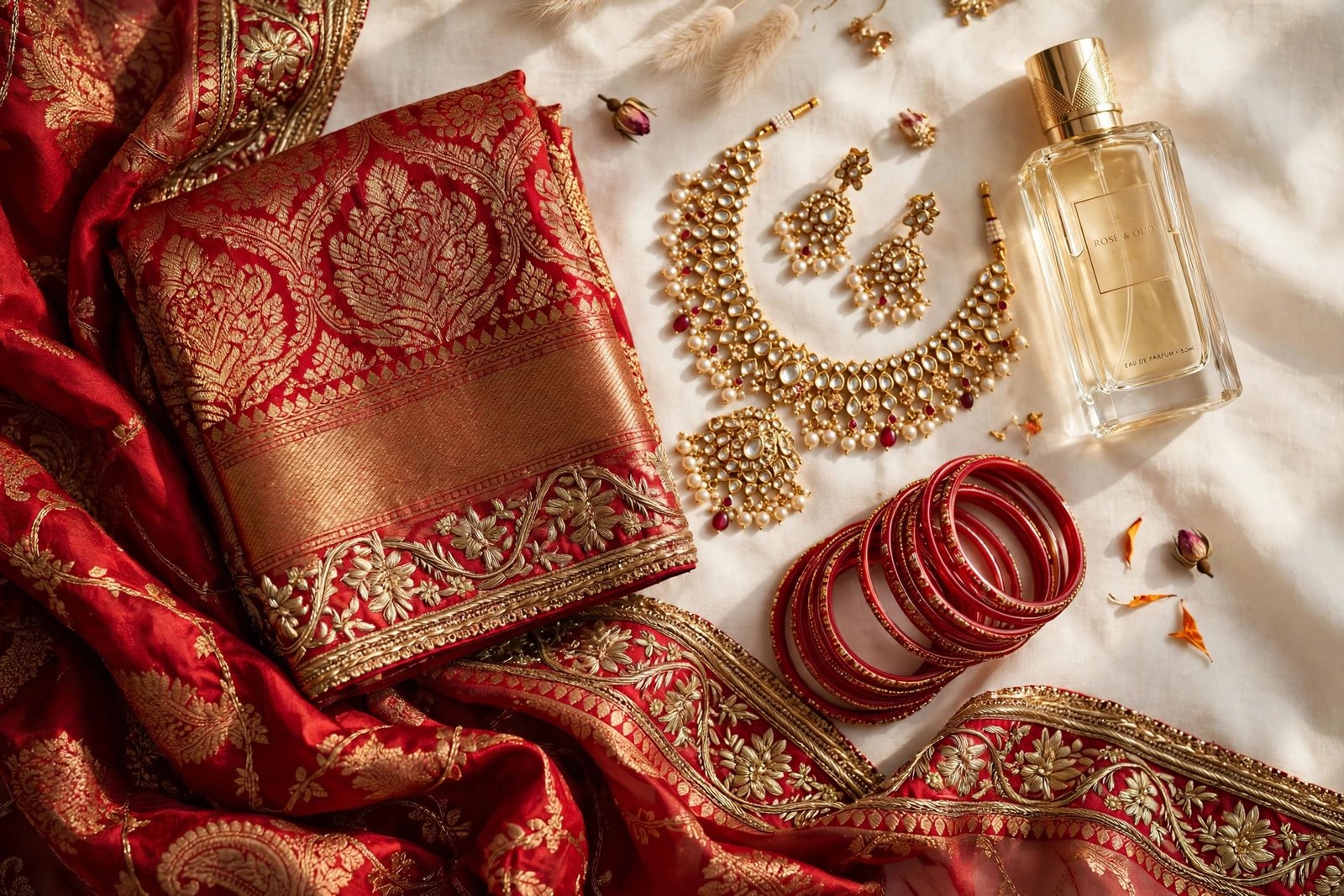
    A polki or kundan bridal set, a versatile gold set for repeat wear, and pearls for daytime events. Add a maang tikka, nath and bangles to complete the bridal trio.

    Beauty & essentials

    Your makeup kit (base, red lip, kajal), hairpins and extensions if needed, perfume, and comfortable juttis broken in before the week begins.

    The forgotten five

    Safety pins, fashion tape, stain remover pen, blister balm, and a small sewing kit. Future you says thank you.

    Stylist tip: pack outfits by event in labelled garment bags with a photo of the full look (including jewellery) pinned to each. Decision fatigue: eliminated.

  • The Festive Ethnic Edit: Shararas, Lehengas & Ghararas

    The Festive Ethnic Edit: Shararas, Lehengas & Ghararas

    Wedding-season dressing, decoded. Sharara or lehenga? Velvet or organza? Here’s how to choose — and style — festive ethnic wear like a pro, whatever the celebration.

    Know your silhouettes

    • Sharara — flared trousers from the waist with a short kurti; regal, dramatic, made for grand entrances.
    • Gharara — fitted to the knee, then flaring out; traditional Awadhi royalty.
    • Lehenga choli — flared skirt with cropped blouse and dupatta; the wedding staple.
    • Saree — six yards of pure elegance; never out of style, endlessly re-drapable.

    Fabric & embroidery guide

    Velvet owns winter nights — deep maroon, emerald and navy in velvet photograph beautifully under festive lights. Organza and chiffon suit daytime events with their lightness. For embroidery: zardozi and dabka for bridal-level grandeur, threadwork and mirror work for festive-but-approachable.

    Styling for the occasion

    Weddings: go maximal — layered necklaces, a statement maang tikka, embroidered clutch. Festive dinners: one hero piece (the outfit or the jewellery, never both at full volume). Eid & Diwali daytime: pastels and champagne golds with delicate jewellery.

    Jewellery pairing cheat sheet

    Maroon + gold embroidery loves polki and kundan. Champagne and pastel outfits sing with emeralds or pearls. Royal blue pairs strikingly with diamonds or silver-toned pieces.

    Stylist tip: drape your dupatta three ways before deciding — over one shoulder (classic), pleated over both arms (regal), or as a veil over the head (bridal). The same outfit tells three different stories.